
Valued Voices
Does My Electrical Panel Need to Be Upgraded for an EV Charger in Sarasota, FL?
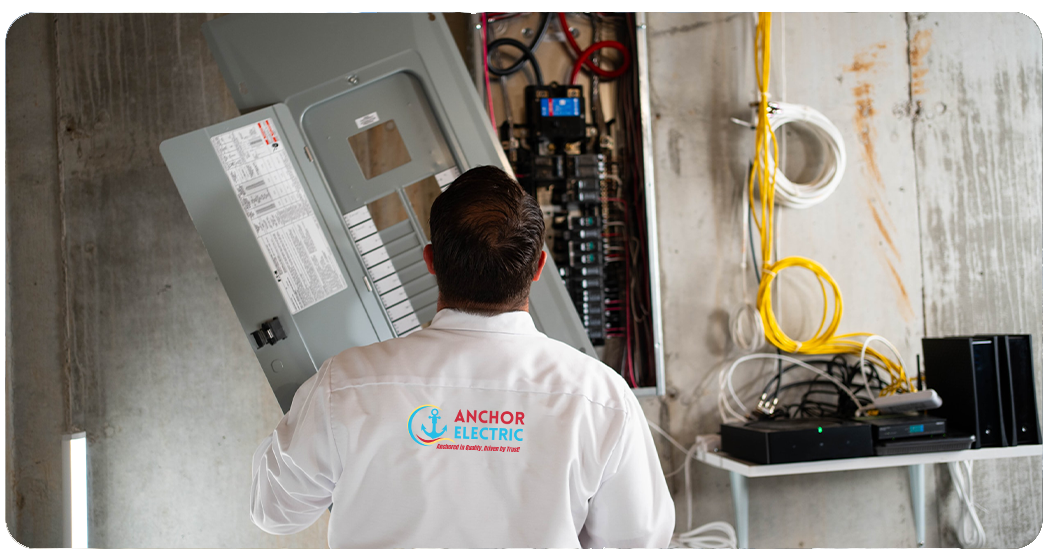
Your electrical panel is easy to forget about when everything is working normally. It sits in the garage, utility room, or outside the home quietly distributing electricity to your lights, outlets, air conditioning, appliances, and everything else that depends on power.
Installing an EV charger does not automatically mean your electrical panel needs to be replaced. Many Sarasota homes already have enough capacity and breaker space to support a Level 2 charger. Other homes need electrical improvements before the charger can be installed safely.
The answer depends on more than the amperage printed on the panel. An electrician must consider the home’s total electrical demand, the condition of the panel, the available breaker space and the amount of power the charger requires.
These factors are especially important throughout Sarasota, Siesta Key and Longboat Key. The area includes everything from older homes with limited electrical service to renovated waterfront properties with multiple air conditioning systems, pools, heat pumps and other large electrical loads. Two homes with the same size panel can have very different charging capabilities.
Does Every Level 2 EV Charger Require an Electrical Panel Upgrade?
A Level 2 EV charger requires a properly sized 240 volt dedicated circuit. If the existing panel has enough capacity, room for the required breaker and compatible components, the charger may be installed without replacing the panel.
A panel upgrade becomes more likely when the electrical service is already close to its calculated capacity. It may also be necessary when the panel is full, outdated, damaged or unable to accept the correct breaker.
Many homeowners assume a 200 amp panel can support any EV charger. The panel rating is certainly important, but it does not show how much power the home is already using. A 200 amp electrical service can still be heavily loaded by central air conditioning, electric water heating, cooking appliances, clothes dryers and pool equipment.
A home with a smaller service may still have practical charging options. The right recommendation depends on the actual electrical demand and how quickly the vehicle needs to charge.
Why a Level 2 EV Charger Adds a Significant Electrical Load
Most household appliances cycle on and off throughout the day. An EV charger can draw power continuously for several hours while replenishing the vehicle’s battery. The circuit must be designed to handle that sustained demand safely.
The charger’s output determines how much electrical capacity it needs. A unit delivering 40 amps typically requires a 50 amp circuit. A charger delivering 48 amps commonly requires a 60 amp circuit. The exact requirements depend on the charging equipment, manufacturer instructions and applicable electrical standards.
Faster charging equipment is not always the most practical choice. Some vehicles cannot accept the maximum output offered by a powerful home charger. Many drivers also have enough time overnight to replace their daily mileage using a more moderate charging rate.
For example, a Sarasota homeowner who drives a relatively short distance each day may not benefit from choosing the highest available charging output. A slightly lower output may still recharge the vehicle comfortably overnight while placing less demand on the home’s electrical system.
The goal is to match the charger to the vehicle, driving habits and available electrical capacity. Installing more charging power than the homeowner can reasonably use may increase the cost without providing a meaningful everyday benefit.
How an Electrician Evaluates Your Panel for an EV Charger
Looking at the main breaker is only the beginning. A proper evaluation considers how the entire electrical system will perform when the vehicle is charging at the same time as the home’s other equipment.
Calculating the Home’s Electrical Demand
A load calculation estimates the demand created by the home’s existing appliances and electrical equipment. The proposed charger is then added to determine whether the current service can support it safely.
This calculation may include air conditioning systems, water heaters, electric ranges, clothes dryers, pool pumps, heat pumps, hot tubs and other permanently connected equipment.
Cooling loads deserve particular attention in Southwest Florida. Air conditioning equipment works hard during the long, hot and humid portion of the year. Larger Sarasota homes may have more than one system. Properties on Siesta Key and Longboat Key may also include pool equipment, outdoor kitchens, boat lifts and additional electrical features.
All of those loads affect how much capacity remains for EV charging.
Checking for Available Breaker Space
A Level 2 charger typically needs a two pole breaker, which means the panel must have the correct space and configuration for the new circuit.
An unused position on the panel cover does not always mean there is a usable breaker location inside. The panel’s design, manufacturer specifications and existing breaker arrangement must be inspected.
Running out of breaker space does not always require a complete electrical service upgrade. A suitable subpanel or another approved configuration may provide the necessary circuit positions. Additional breaker space does not create more electrical capacity, however, so the load calculation is still essential.
Inspecting the Panel’s Condition
The condition of the panel matters just as much as its size. Signs of overheating, corrosion, loose connections, damaged breakers or deteriorated components should be addressed before adding a substantial new load.
Older equipment is not automatically unsafe simply because of its age. Problems arise when the panel is damaged, obsolete, improperly modified or no longer capable of supporting the home’s electrical needs.
Coastal conditions can also affect electrical equipment. Humidity and salt air around Siesta Key, Longboat Key and other waterfront communities may contribute to corrosion, especially when equipment is exposed or poorly protected.
When an existing panel is no longer suitable, an electrical panel upgrade or replacement can provide the capacity, breaker space and dependable components needed for EV charging and future electrical improvements.
Evaluating the Charger Location
The location of the charger can affect the complexity and cost of the installation. A charger mounted near a garage panel usually requires less wiring than one installed beside a distant driveway, detached garage or outdoor parking area.
An electrician must plan the circuit route, conductor size, wiring method and charger placement. Outdoor installations also require equipment that is suitable for exposure to rain, humidity and other local conditions.
Placement should be practical as well as electrically sound. The charging cord must reach the vehicle comfortably without creating a tripping hazard or being stretched across an area where it could be damaged.
When an EV Charger Panel Upgrade May Be Necessary
A panel upgrade is more likely when the existing electrical service is already carrying a substantial load. It may also make sense when the panel has no usable breaker space, shows signs of deterioration or relies on components that are no longer readily available.
Repeated breaker trips, flickering lights, unusual heat near the panel or visible corrosion should be investigated before installing charging equipment. These symptoms may point to an overloaded circuit, loose connection, damaged component or another electrical problem.
Future plans should also be considered. A panel that can barely accommodate one charger today may not support a second electric vehicle, new pool heat pump, hot tub or major renovation later.
A properly planned upgrade can address the immediate charging need while preparing the property for future electrical demand. The homeowner should still receive a recommendation based on the actual condition and capacity of the system rather than being told that every EV charger requires a new panel.
What Can Be Done When the Existing Panel Lacks Capacity?
Replacing or upgrading the panel is one possible solution, but it is not the only approach available for every property.
Upgrade the Panel and Electrical Service
A modern panel may provide more breaker space and improve the reliability of the home’s power distribution system. When additional capacity is required, the electrical service and related equipment may also need to be upgraded.
Simply replacing the panel enclosure does not necessarily increase the amount of electricity available to the home. The full electrical service must be evaluated to determine the correct scope of work.
Add a Subpanel
A subpanel can create additional circuit positions when the main panel has adequate electrical capacity but lacks physical space.
This can be a practical option in certain homes, particularly when several previous improvements have filled the main panel. The subpanel must be sized and installed correctly, and it does not eliminate the need for a load calculation.
Install an Energy Management System
Certain energy management systems monitor the home’s electrical usage and adjust vehicle charging according to the available capacity. Charging may slow down or temporarily pause when other large loads are operating, then increase when demand falls.
This approach can make EV charging possible in some homes without immediately increasing the electrical service size. Compatibility with the charger and electrical system must be confirmed before installation.
Select a More Moderate Charging Rate
The highest available charging output is not necessary for every driver. A charger with a lower output may reduce the circuit requirements while still restoring the vehicle’s daily mileage overnight.
The vehicle’s charging capability, daily driving distance and usual charging schedule should guide this decision. A thoughtful installation provides enough charging power for normal use without creating unnecessary electrical work.
Why an EV Charger Needs a Dedicated Circuit
A Level 2 charger places a substantial and sustained load on the electrical system. Giving it a dedicated circuit prevents other appliances or devices from adding demand to the same wiring while the vehicle is charging.
The breaker, conductors and charging equipment must be sized to work together. Installing a larger breaker on undersized wiring does not create additional capacity. It removes an important layer of protection and can allow the wiring to overheat.
Existing dryer outlets should not be treated as automatic charging solutions either. The circuit rating, wiring, receptacle condition and existing usage all need to be checked. A receptacle that was installed for occasional appliance use may not be the best choice for hours of regular vehicle charging.
Professional EV charger installation addresses the entire system, including the electrical panel, dedicated circuit, grounding, wiring, equipment placement and final testing.